~$ man pydantic
What is Pydantic?
definition
Pydantic is a Python library focused on runtime data validation and parsing. It uses standard type hints to define models as classes.
Developers create Pydantic models to automatically convert and validate incoming data such as JSON, environment variables, or API payloads.
It powers validation layers in frameworks like FastAPI and is commonly applied in APIs, configuration handling, and data pipelines.
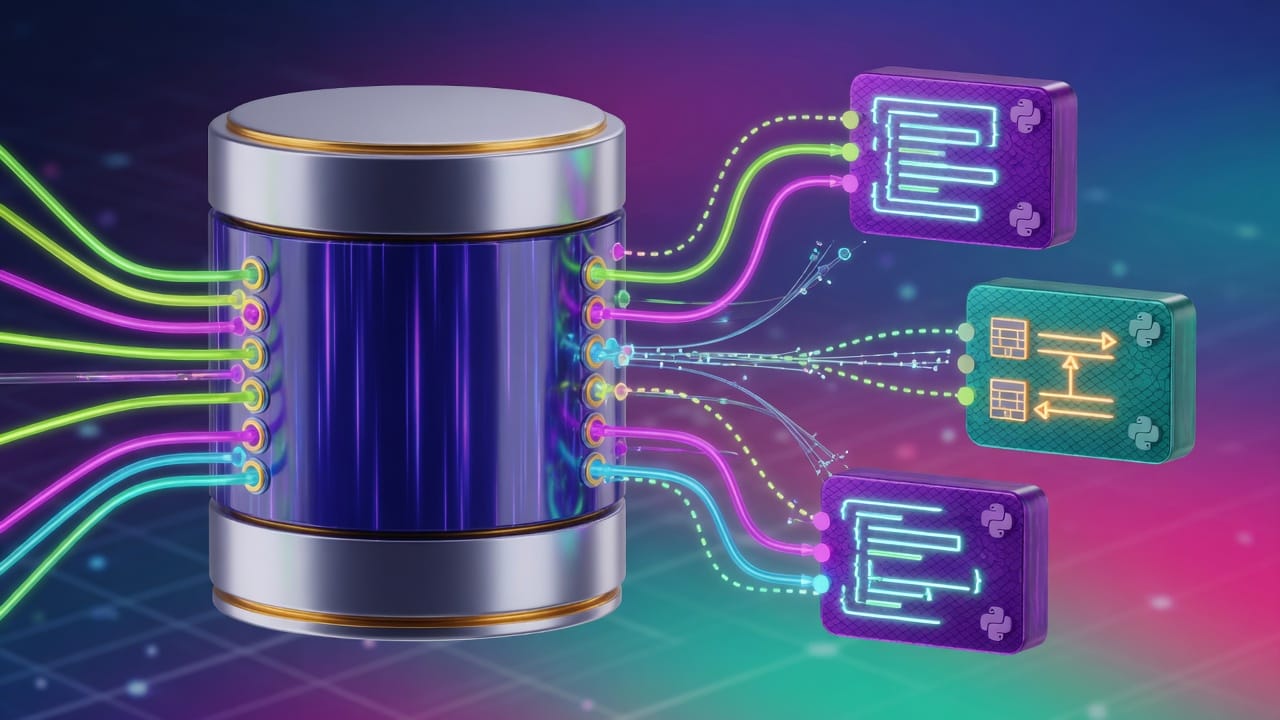
Think of Pydantic as a factory quality-control station: raw materials arrive in different shapes, the station checks each one against a blueprint, rejects anything wrong, and only passes correctly formed items to the next step.
key takeaways
- Pydantic validates data against type hints at runtime instead of only at static analysis time.
- It automatically parses and converts compatible input like strings to dates or dicts to nested models.
- Custom validators and constraints allow rules such as minimum length or regex patterns.
- Error messages include exact field locations and reasons for failure.
- Pydantic models are immutable by default in v2 and integrate directly with Python dataclasses and TypedDict.
the 2026 job market
By 2026 Pydantic appears in most Python API and data-engineering stacks because FastAPI and similar frameworks depend on it; demand is highest for backend developers, data platform engineers, and ML pipeline roles that require strict input validation.
frequently asked questions
How do you define a basic Pydantic model?
Create a class that inherits from BaseModel and annotate fields with types. Pydantic then validates any data passed to the constructor against those annotations.
Does Pydantic work with JSON only?
No. It accepts dicts, JSON strings, environment variables, and ORM objects. JSON is the most common input but not the only supported format.
What happens when validation fails in Pydantic?
Pydantic raises a ValidationError that lists every failing field, the invalid value, and a short reason. The exception can be caught and turned into HTTP error responses.
Is Pydantic v2 compatible with v1 code?
Most v1 models run with minor changes after migration. The v2 API is faster and uses pydantic-settings for configuration, but some advanced custom validators need updates.
courses to go further