~$ man automatisation-ia
What is AI automation in business?
definition
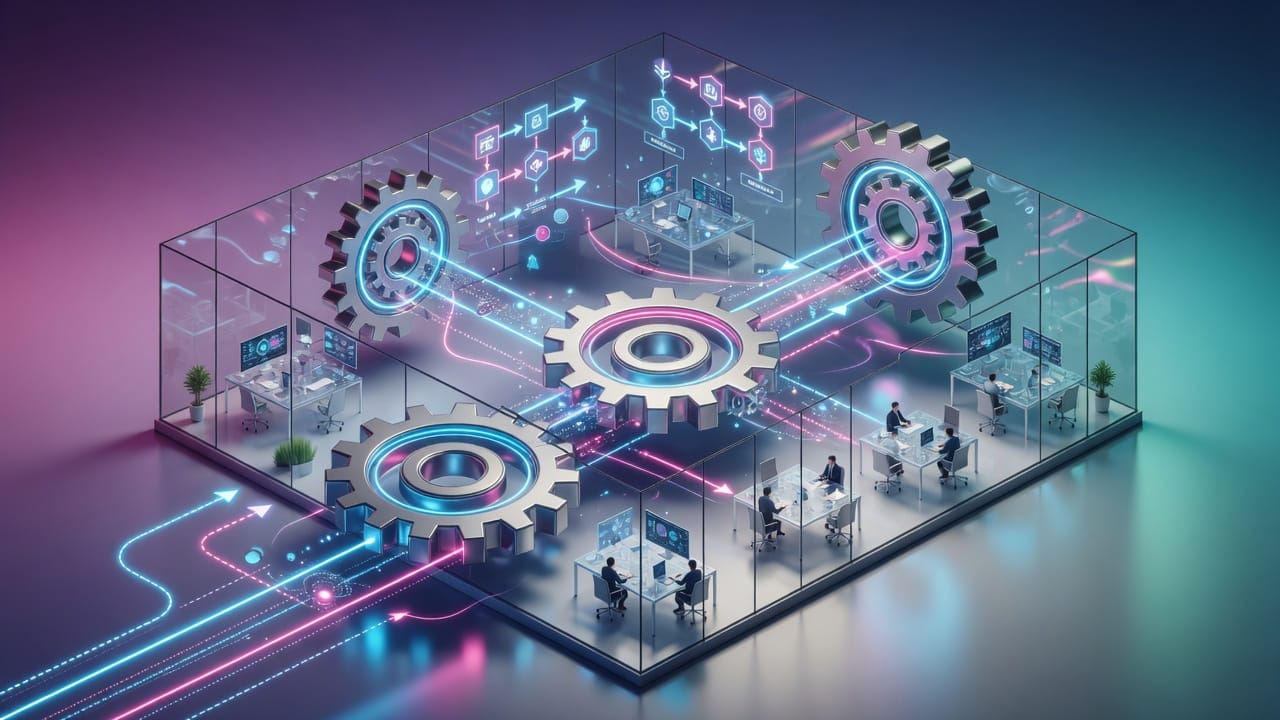
AI automation joins artificial intelligence with software rules so machines can finish tasks that normally need human judgment or pattern spotting.
In business it runs workflows such as customer support replies, inventory checks, and report generation while learning from past data to get better over time.
Think of a self-driving vacuum that learns the layout of your house and cleans without you telling it where to go each day; AI automation does the same for office tasks by watching how work flows and then handling the steps on its own.
key takeaways
- AI automation removes repetitive manual steps from daily operations.
- It relies on machine learning models that improve accuracy with more data.
- Common uses include invoice processing, lead scoring, and schedule planning.
- Teams still need humans to set goals, check results, and handle exceptions.
- Skills in both business processes and basic AI tools are now required for many productivity roles.
the 2026 job market
By 2026 companies will keep replacing manual workflows with AI automation, creating steady demand for roles that design, maintain, and audit these systems across operations, IT, and analytics teams.
frequently asked questions
How is AI automation different from simple scripts?
Simple scripts follow fixed steps while AI automation can adapt when data changes or new patterns appear. It uses models that learn instead of staying locked to one set of instructions.
What skills do you need to start with AI automation?
Basic knowledge of business workflows, spreadsheet tools, and no-code platforms such as Zapier or Make is enough to begin. Later you add Python, data analysis, and understanding of machine learning models.
Can small businesses use AI automation?
Yes, affordable cloud tools let small teams automate email sorting, appointment booking, and basic reporting without hiring developers. Start with one process and expand as results appear.
Will AI automation replace most office jobs?
It removes repetitive tasks but creates new work in oversight, exception handling, and system improvement. Most roles shift toward higher-value activities rather than disappearing entirely.